The Kroger Algorithm Chose Violence (and Also a Farming Sim): I Let My Grocery Receipt Run My Gaming Life for a Week
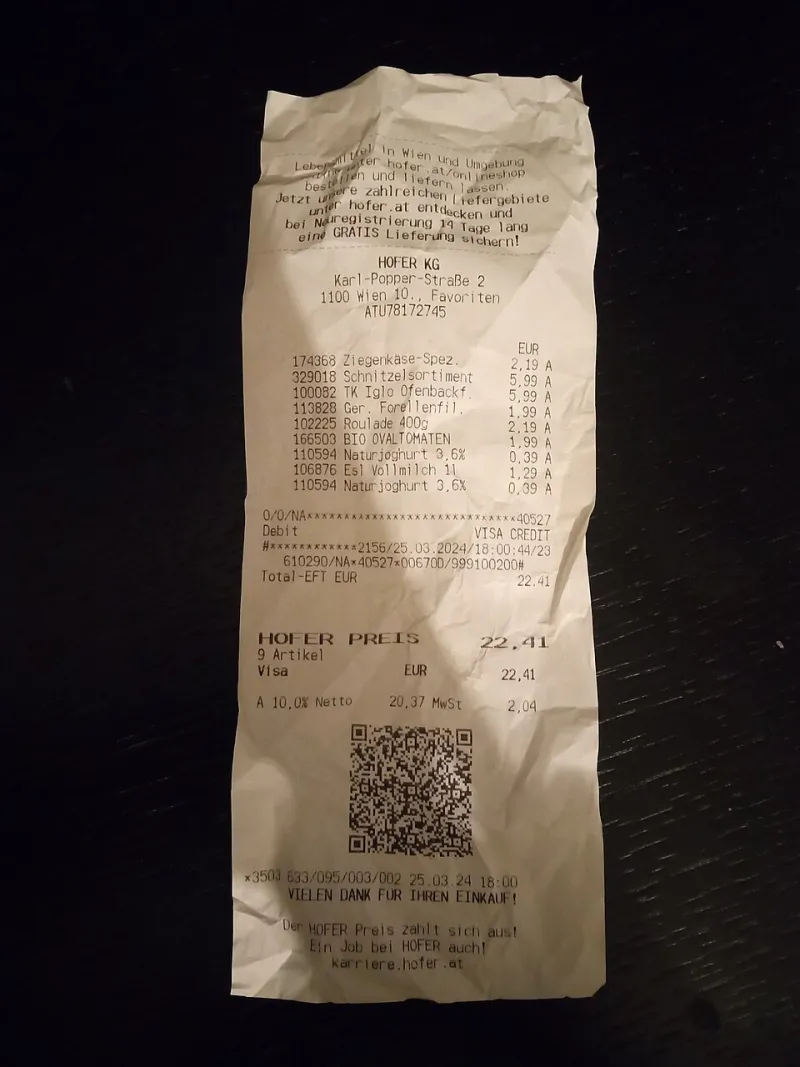
Photo: Grandmaster Huon, Public domain, via Wikimedia Commons
I want to be clear up front: nobody at Kroger asked me to do this. No PR firm slid into my inbox. This was a decision I made alone, at 11:47 p.m., standing in my kitchen, holding a receipt that was longer than my forearm.
It started innocently. I bought bananas, paper towels, and — because it was clipped to my loyalty card and marked down 40% — a digital code for a cozy farming sim I'd never heard of. The app called it a "Recommended For You" bundle. Recommended based on what, exactly? My oatmeal purchases? The fact that I buy the big bag of shredded cheese like a person who has given up?
I had to know. So I made a rule for myself, and like all my best rules, it was deeply stupid: for one week, every game I bought would be determined by my grocery store's loyalty app, its coupons, and whatever "suggested purchases" the receipt deigned to offer me. The supermarket is my Game Master now. I am but a humble shopper in its produce aisle of destiny.
Day One: The Rice Cooker Incident
The week opened strong. I scanned my card, bought ground beef and a single lemon (don't ask), and the receipt spat out a coupon for — I swear on my save file — a rice cooker. Alongside it, a promo code for a management sim about running a restaurant.
The algorithm had connected dots I didn't know existed. Rice cooker. Restaurant sim. It was building me a lifestyle, not a library. I bought the game, used the rice cooker coupon, and spent four hours that night virtually staffing a ramen shop while actual rice cooked in my actual kitchen. This was the most functional I have ever been as an adult. I don't love what that says about me.
Day Three: The Dairy Aisle Giveth
By midweek, patterns emerged, and friends, the patterns were unhinged.
Buying baby carrots triggered a discount on a roguelike. I have no theory for this. Something in the data apparently believes carrot people love permadeath. Buying frozen pizza unlocked a coupon for a retro arcade collection, which is the most spiritually accurate recommendation I received all week — the algorithm looked at my frozen pizza habit and correctly diagnosed me as a person who peaked in a 1990s mall arcade.
The strangest part? The recommendations were good. Not good like a curated Steam queue built by a friend who knows my soul. Good like a casino that's very, very good at its job. These systems aren't guessing. They've watched me buy the same four dinners for three years. They know me better than my family does. My mother still asks if I "still play those computer games." The Kroger app knows I have exactly 62 hours in one farming sim and sends me DLC coupons about it. Who's the real family here?
Day Five: The Receipt Speaks, and It Says "Concerning"
Then came the low point. I bought allergy medicine, batteries, and a rotisserie chicken, and the app recommended a survival horror game. I stared at the screen. Rotisserie chicken. Allergy medicine. Survival horror.
Was this a data glitch? Or did the algorithm look at my purchase history — single lemon, big shredded cheese, rotisserie chicken eaten over the sink — and conclude I was already living in one?
I bought the game. Obviously. I am nothing if not committed to a bit, even when the bit is clearly judging me. For the record, the game was excellent, and I have never felt so seen by point-of-sale data.
What the Algorithm Actually Wants From Us
Here's the part where I pretend to be a serious analyst. Recommendation engines — grocery, gaming, streaming, all of them — don't recommend things because they're good. They recommend things because you're statistically likely to bite. It's a nudge economy, and nerds are the most nudgeable people alive. We are completionists. We see a coupon, we clip it. We see a bundle, we buy it. We have backlogs we'll never touch and we keep acquiring anyway, because the acquiring is the hobby.
The grocery store figured this out before most game publishers did. Your loyalty card isn't tracking your kale intake; it's building a psychological profile with terrifying accuracy. Mine apparently reads: "Buys shredded cheese in bulk. Susceptible to management sims. Likely to eat rotisserie chicken like a raccoon. Send horror content."
And the wildest thing? I don't even mind. My Steam wishlist was a monument to games I should play — 90-hour RPGs I'd tackle "someday." The supermarket algorithm cut through all that aspiration and handed me short, cozy, weird games I actually finished. The data doesn't care about the gamer I imagine myself to be. It only cares about the gamer my cheese purchases suggest I am.
The data might be right.
Final Receipt
Week one tally: four games, one rice cooker, zero regrets, and a lingering sense that my grocery store knows things about me that my therapist hasn't uncovered yet. Would I recommend letting a loyalty card be your Game Master? Look — it worked about as well as most of my own decision-making, and it came with discounts.
Just be warned: the algorithm is always watching. It knows you bought the family-size mac and cheese. It knows. And next week, it's going to recommend you something about it.